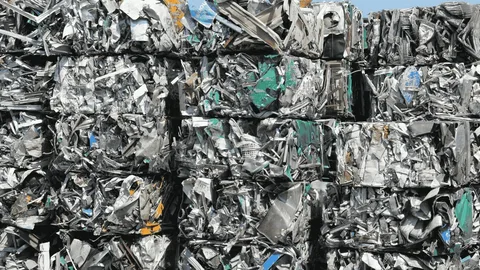
The aluminum industry plays a crucial role in the global economy, contributing significantly to manufacturing, construction, transportation, and other sectors. However, with growing environmental concerns, efficient recycling has become more critical than ever. In the Aluminum Scrap UAE, particularly in Dubai, aluminum scrap recycling has gained traction as a vital industry, with leading scrap buyers providing modern solutions that reduce waste, promote resource conservation, and support environmental sustainability.
The Importance of Aluminum Scrap Recycling
Aluminum is one of the most widely recycled metals worldwide, and for good reason. Unlike many other materials, aluminum can be recycled indefinitely without losing its quality or properties. This makes it an ideal material for circular economies, where recycling helps reduce the need for raw materials, saves energy, and cuts greenhouse gas emissions. The UAE, as a leading industrial hub in the Middle East, has adopted aluminum scrap recycling as a central component of its sustainability initiatives.
Dubai, in particular, has become a key player in the aluminum scrap market, with numerous scrap buyers offering essential services to industries and businesses seeking to dispose of waste efficiently. Aluminum scrap recycling in the UAE not only supports local industries but also aligns with global environmental goals, helping build a greener, more sustainable future.
Key Processes in Aluminum Scrap Recycling
Recycling aluminum scrap involves several key steps to ensure maximum efficiency and purity. Leading aluminum scrap buyers in Dubai utilize advanced technologies for sorting, cleaning, and smelting the scrap. Let’s explore the core processes involved:
Collection and Sorting
The recycling process begins with collecting aluminum scrap, including discarded cans, packaging materials, automotive parts, and construction materials. Once collected, the scrap undergoes sorting to separate aluminum from other materials such as plastics, glass, and steel. Modern sorting technologies, including automated systems and manual inspection, ensure that only high-quality aluminum is processed for recycling.
Shredding and Cleaning
After sorting, the scrap is shredded into smaller pieces to enhance the efficiency of the recycling process. Shredding also helps eliminate impurities such as paint, coatings, and other contaminants. This step is vital for ensuring the purity of the aluminum, which is essential for producing high-quality finished products. The shredded aluminum is then cleaned using advanced techniques to remove oils, grease, and other residual materials.
Melting and Smelting
Once the scrap is cleaned and shredded, it is ready for melting. In Dubai, aluminum scrap buyers use modern smelting technologies to melt aluminum at high temperatures. The smelting process typically takes place in large furnaces, where aluminum is heated to a molten state. This process removes any remaining impurities from the metal, enabling the extraction of pure aluminum. The molten aluminum is then poured into molds to form ingots, which can be used to manufacture new products.
Reusability and Product Creation
Recycling aluminum scrap has the advantage of creating new products from it. The purity of aluminum after smelting ensures that recycled aluminum can be used across various industries, including automotive, aerospace, construction, packaging, and electronics. By recycling aluminum scrap, businesses reduce their reliance on virgin aluminum, saving energy and resources while promoting sustainability.
Sustainability Benefits of Aluminum Scrap Recycling in the UAE
Recycling aluminum scrap has numerous environmental and economic benefits, making it an essential practice in the UAE. Let’s explore the sustainability advantages:
Energy Conservation
One of the most significant benefits of recycling aluminum is energy conservation. It takes about 95% less energy to recycle aluminum compared to producing new aluminum from bauxite ore. By recycling aluminum scrap, Dubai’s recycling industry saves significant energy, helping reduce overall greenhouse gas emissions.
Reduced Waste
Aluminum scrap recycling also helps reduce waste sent to landfills. As aluminum is a common metal used in consumer products, recycling it diverts millions of tons of waste from landfills, further reducing the environmental impact of waste disposal. By establishing effective recycling systems, aluminum scrap buyers in Dubai significantly contribute to the UAE’s efforts to reduce waste.
Resource Conservation
Bauxite, the raw material used to produce aluminum, is a finite resource. By recycling aluminum scrap, the UAE conserves valuable resources and minimizes demand for virgin aluminum. This is vital for preserving natural resources and minimizing the environmental impact of mining activities, which can be both ecologically damaging and resource-intensive.
Economic Benefits
The aluminum scrap recycling industry in Dubai has positive economic impacts, creating job opportunities, supporting local businesses, and contributing to the UAE’s green economy. As demand for recycled aluminum grows across industries, aluminum scrap recycling becomes a valuable economic asset. Additionally, by promoting sustainable practices, scrap buyers help businesses reduce costs related to raw materials and energy consumption.
Promoting Circular Economy
The UAE has increasingly embraced the principles of a circular economy, in which materials and products are reused and recycled, reducing waste and extending the life cycles of resources. Aluminum scrap recycling is a crucial component of this model, ensuring that the metal remains in circulation for as long as possible. This model helps businesses and industries become more sustainable while contributing to the global effort to reduce waste and conserve resources.
The Role of Leading Aluminum Scrap Buyers in Dubai
Aluminum scrap buyers in Dubai play a critical role in ensuring that the recycling process is both efficient and effective. These companies provide comprehensive services, from collection and sorting to smelting and selling high-purity aluminum ingots. Many of these companies have invested in cutting-edge technologies and processes to improve the recycling efficiency and the quality of the recycled aluminum.
Leading scrap buyers in Dubai also adhere to strict environmental regulations and standards to minimize their operations’ environmental impact. They collaborate closely with local governments, industry, and other stakeholders to promote responsible recycling practices and advance the UAE’s sustainability goals.
Conclusion
Recycling aluminum scrap in the UAE, especially in Dubai, represents a significant step toward a more sustainable, resource-efficient future. By adopting advanced recycling techniques, reducing waste, conserving energy, and supporting a circular economy, the aluminum scrap recycling industry in Dubai plays a crucial role in the global effort to protect the environment. With leading buyers offering modern recycling solutions, the UAE is poised to continue its leadership in sustainable recycling practices, making a lasting impact on both the local and global economy.