In a world increasingly focused on sustainability, the recycling industry plays a critical role in reducing waste and promoting resource conservation. In the United Arab Emirates (UAE), aluminum scrap recycling has emerged as a key industry, driving environmental benefits and fostering economic growth. Leading aluminum scrap buyers in Dubai are at the forefront of this movement, utilizing cutting-edge recycling solutions that maximize the efficiency and quality of aluminum recovery.
What is Aluminum Scrap?
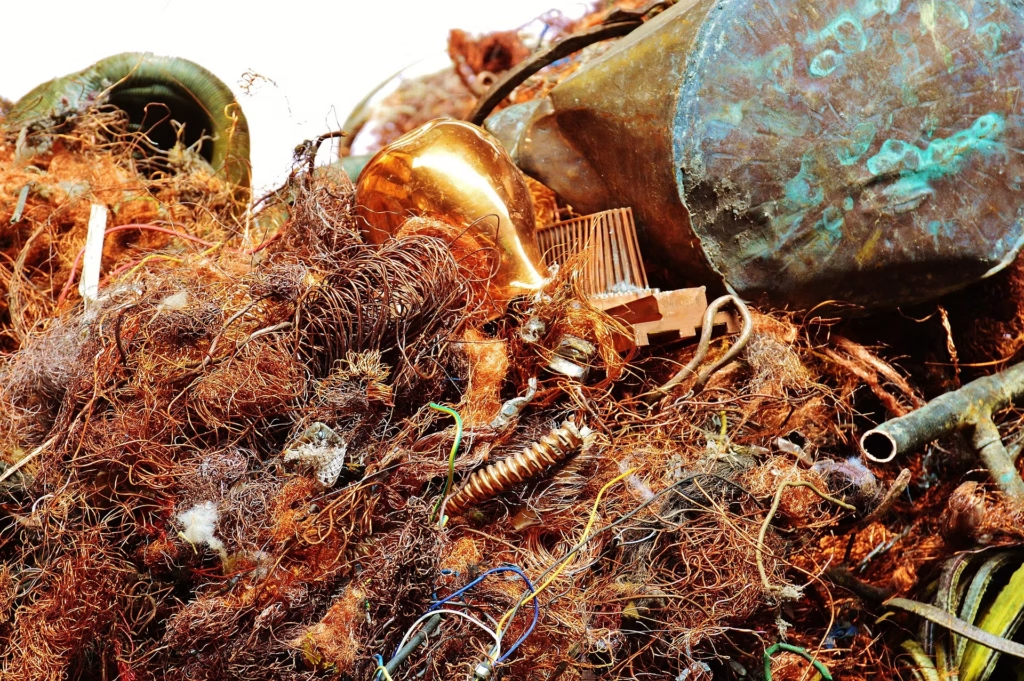
Aluminum scrap refers to discarded or unused aluminum materials, including old aluminum cans, window frames, automotive parts, and various industrial waste products. These materials, once considered waste, can be transformed into valuable resources through recycling. The recycling of aluminum scrap not only reduces the amount of waste sent to landfills but also conserves the raw materials required for producing new aluminum products.
Why Aluminum Scrap Recycling is Important
Aluminum is one of the most widely used metals across industries, including automotive, aerospace, construction, and packaging. It is lightweight, durable, and highly malleable, making it an essential material for numerous applications. Recycling aluminum scrap is vital for several reasons:
- Resource Conservation: Aluminum is a non-renewable resource that requires significant energy and raw materials to produce from virgin sources. By recycling aluminum scrap, valuable resources such as bauxite (the primary ore of aluminum) are preserved, and the environmental impact of mining is reduced.
- Energy Efficiency: Recycling aluminum requires only about 5% of the energy needed to produce new aluminum from raw bauxite. This significant energy savings helps reduce carbon emissions, making aluminum scrap recycling an environmentally friendly alternative to traditional manufacturing processes.
- Waste Reduction: By recycling aluminum scrap, large amounts of waste that would otherwise end up in landfills are diverted, contributing to cleaner, more sustainable communities. This reduction in landfill waste also lowers the pressure on waste management systems.
- Economic Benefits: The aluminum scrap recycling industry provides a steady supply of high-quality recycled aluminum for manufacturing, helping to reduce production costs and create a circular economy. This not only benefits manufacturers but also supports job creation in the recycling and waste management sectors.
How Aluminum Scrap is Recycled in the UAE
The UAE’s commitment to sustainability and waste management is evident in the sophisticated systems in place for aluminum scrap recycling. Leading aluminum scrap buyers in Dubai employ advanced sorting, smelting, and refining processes to ensure that aluminum is recovered at the highest possible purity and quality.
Sorting and Separation
The first step in the recycling process is sorting. Aluminum scrap can come in various forms, each with its own characteristics. To maximize efficiency, scrap is sorted based on factors such as aluminum type, alloy composition, and contamination status. Advanced sorting technologies, including optical sensors, magnets, and air classification systems, help ensure that different grades of aluminum are properly separated for optimal recycling.
Shredding and Crushing
Once sorted, the aluminum scrap is shredded into smaller pieces to facilitate easier processing and smelting. Shredding not only breaks down the material but also removes contaminants such as plastics or paint that can interfere with the smelting process.
Smelting
The shredded aluminum is then sent to a smelter, where it is melted down at high temperatures. This step separates the aluminum from any remaining impurities, producing molten aluminum that can be cast into ingots for reuse. Smelting is a critical part of the recycling process, as it allows for the recovery of aluminum at a purity level suitable for producing new products.
Refining and Alloying
To ensure the highest-quality recycled aluminum, some buyers in the UAE refine it further. Through a process known as alloying, different aluminum alloys are created by combining recycled aluminum with small amounts of other metals such as copper, zinc, or magnesium. This ensures that the final product meets the specific requirements of various industries, such as automotive manufacturing, aerospace, and construction.
Sustainable Practices in Aluminum Scrap Recycling
In recent years, aluminum scrap buyers in the UAE have increasingly adopted sustainable, environmentally responsible practices. These practices include:
- Zero Waste Initiatives: Many recyclers aim to achieve zero waste by ensuring that all waste generated during the recycling process is either reused or safely disposed of, further reducing the environmental footprint.
- Closed-Loop Recycling: By implementing closed-loop recycling systems, recyclers can ensure that the same aluminum scrap is reused repeatedly without degrading the material’s quality. This method extends the life cycle of aluminum and reduces the need for new raw materials.
- Energy Recovery: Some recycling facilities in the UAE have implemented energy recovery systems that capture excess heat from the smelting process to generate electricity. This not only makes the recycling process more energy-efficient but also reduces the facility’s reliance on external power sources.
The Role of Aluminum Scrap Buyers in Dubai
Dubai is home to some of the most prominent aluminum scrap buyers in the region. These companies play an essential role in the UAE’s recycling efforts by providing a steady market for scrap collectors, dismantlers, and waste management companies. By offering competitive prices and implementing environmentally conscious practices, they ensure aluminum scrap is collected, processed, and recycled efficiently.
These buyers also help educate industries and consumers on the importance of aluminum recycling and how they can contribute to a more sustainable future. By partnering with businesses and governments, they drive forward initiatives to improve recycling rates and reduce the environmental impact of aluminum production.
The Future of Aluminum Scrap Recycling in the UAE
As the UAE continues to push for sustainability and environmental responsibility, the future of aluminum scrap recycling looks promising. Government initiatives, such as the UAE Vision 2021 and the Dubai Clean Energy Strategy, aim to promote sustainable practices and reduce the nation’s carbon footprint. With advancements in recycling technologies and a growing emphasis on the circular economy, aluminum scrap recycling will play an even more significant role in achieving these goals.
The increasing demand for high-quality recycled aluminum across industries such as automotive, aerospace, and construction provides a strong economic incentive for aluminum scrap buyers to continue improving their processes and expanding their operations. As the UAE continues to lead the way in sustainable recycling practices, aluminum scrap recycling will remain a key pillar in its efforts to protect the environment, conserve resources, and stimulate economic growth.
Conclusion
Aluminum scrap recycling in the UAE is a dynamic and sustainable industry that benefits both the environment and the economy. By employing advanced sorting, smelting, and refining processes, leading aluminum scrap buyers in Dubai ensure the highest-quality aluminum is recovered, reducing waste and promoting resource conservation. As the UAE continues to prioritize sustainability, aluminum scrap recycling will play a central role in achieving its environmental goals and supporting the nation’s growing demand for recycled materials.