What is Drum Scrap?
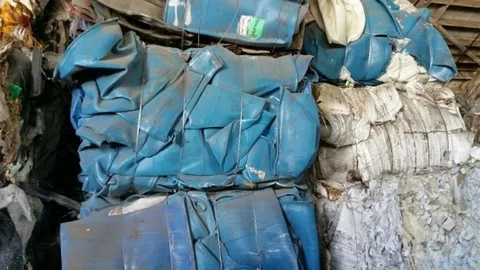
Drum scrap refers to used industrial drums — whether steel, plastic, or composite materials — that are no longer fit for their original use and are discarded or collected for recycling. These drums have served a crucial role across industries, including agriculture, manufacturing, chemicals, and logistics, for storing materials such as oils, chemicals, and hazardous substances. However, when these drums are no longer useful, they enter the recycling stream, where they are broken down into valuable raw materials.
Types of Drum Scrap
Steel Drums
Steel drums, also known as metal barrels, are the most widely recycled drums in the industry. Typically, they are available in various sizes, with 55-gallon steel barrels being the most common. These drums are made of high-quality steel, which facilitates recycling. They are frequently used to store hazardous liquids, chemicals, and bulk solids. Once they reach the end of their life cycle, they are valuable as ferrous scrap and can be melted down to produce new products such as automotive parts or construction materials.
Plastic Drums
Plastic drums are lightweight alternatives to steel drums and are often used to store liquids and semi-solid materials. These drums are typically made of high-density polyethylene (HDPE), a strong plastic material that can be recycled into a variety of new plastic products. Although they are easier to handle due to their lighter weight, they require thorough cleaning and decontamination before recycling, particularly when they have been used to store chemicals or hazardous materials.
Mixed Material Drums
Some drums are made from a combination of metals and plastics, or have special coatings or linings that must be removed before recycling. These mixed-material drums are slightly more complex to recycle because of the variety of materials involved, but they still retain value when processed properly. These drums are often used in industries that require both the strength of metal and the chemical resistance of plastic.
The Process of Recycling Drum Scrap
Collection and Sorting
The first step in the drum recycling process is the collection and sorting of scrap materials. This stage typically involves separating drums by material type—steel, plastic, or mixed materials—and by drum quality. For example, steel drums are classified as open-head or tight-head, which affects the recycling process and potential applications.
Cleaning and Decontamination
For drums that have held hazardous or toxic substances, thorough cleaning and decontamination are necessary. This process ensures that harmful residues are removed, preventing contamination during recycling. For plastic drums, this step is critical as plastic can absorb chemicals, making them difficult to recycle without proper cleaning.
Processing and Melting
Once the drums are cleaned and sorted, the next step is processing them into raw materials. Steel drums are typically sent to melting furnaces, where they are converted into molten steel. This molten steel is then cast into new products. Plastic drums, by contrast, are shredded into small pellets that can be used as feedstock for new plastic products.
Final Products
Recycled steel from drums can be used to make a wide range of products, including new steel containers, automotive parts, and construction materials. Recycled plastic from drums can be used in the production of plastic lumber, recycled plastic containers, and other everyday items. By turning old drums into new products, the recycling process reduces demand for virgin materials, thereby conserving energy and natural resources.
Environmental Benefits of Drum Scrap Recycling
Reducing Landfill Waste
Every year, thousands of used drums end up in landfills, taking up space and potentially leaching harmful chemicals into the environment. Recycling drum scrap dubai reduces landfill waste, providing a much-needed solution to waste management and landfill capacity constraints.
Conserving Resources and Energy
Recycling materials, including steel and plastic, conserves natural resources such as iron ore, coal, and petroleum. Additionally, it saves energy compared to manufacturing products from raw materials. For example, recycling steel uses up to 75% less energy than producing new steel from ore.
Decreasing Carbon Footprint
Recycling drum scrap helps reduce the carbon footprint of manufacturing processes. For example, recycled steel produces fewer carbon emissions than producing steel from scratch, making it a more environmentally friendly alternative. The reduction in energy usage and carbon emissions contributes to efforts to combat climate change and promote sustainability.
Market Value of Drum Scrap
The value of drum scrap is determined by several factors:
- Material Type: Steel drums generally fetch a higher price than plastic drums due to the value of the metal in the scrap market.
- Condition: Clean, decontaminated drums are more valuable because they can be processed more efficiently and contain fewer contaminants.
- Market Demand: Global demand for recycled materials, particularly steel, affects prices. During periods of high demand, scrap prices tend to rise.
For companies that buy and sell drum scrap, such as Nadir Ali Scrap Trading, understanding market dynamics is crucial. By offering fair pricing, transparent transactions, and a focus on quality, these companies provide both economic and environmental value to scrap sellers.
Safety and Regulatory Considerations
Handling drum scrap safely is critical, especially when the drums have been used to store hazardous or flammable materials. Regulations ensure that companies that recycle drum scrap follow strict safety guidelines to protect workers and the environment. Recycling facilities must be compliant with local and international environmental regulations, which often include:
- Proper cleaning of drums before processing.
- Hazardous material disposal in line with industry standards.
- Record-keeping of material handling for compliance with waste management laws.
Scrap dealers such as Nadir Ali Scrap Trading ensure that their recycling processes comply with regulatory requirements and maintain safety standards, thereby contributing to sustainable business practices. (nadiraliscrap.com)
Why Drum Scrap Recycling Matters
Recycling drum scrap plays a significant role in waste reduction, resource conservation, and industrial sustainability worldwide. It not only helps businesses stay compliant with environmental regulations but also supports the global circular economy. Whether it’s steel, plastic, or mixed material drums, every recycled drum contributes to a more sustainable future.
For businesses and scrap sellers, working with a trusted scrap dealer such as Nadir Ali Scrap Trading ensures participation in a responsible recycling process that maximizes value while protecting the environment. Their efficient collection systems, fair pricing, and commitment to safety and sustainability make them a reliable partner in the recycling industry. (nadiraliscrap.com)
Conclusion
Drum scrap recycling is a vital practice that supports both the environment and the economy. By turning discarded drums into valuable raw materials, this process helps reduce waste, conserve natural resources, and lower carbon emissions. Whether you are dealing with steel, plastic, or mixed-material drums, recycling them properly ensures that they continue to benefit industries in new forms. Companies like Nadir Ali Scrap Trading are leading the way in providing sustainable, safe, and profitable solutions for scrap sellers and businesses.