Introduction
As global awareness of environmental sustainability continues to grow, industries worldwide are focusing on reducing waste, conserving resources, and lowering their carbon footprints. One of the most important sectors contributing to these efforts is the scrap metal recycling industry. In Abu Dhabi, the capital of the United Arab Emirates (UAE), scrap metal recycling plays an essential role in driving sustainability and supporting the emirate’s long-term environmental goals.
This article provides a detailed exploration of the scrap metal recycling industry in Abu Dhabi, discussing its significance, the processes involved, the companies operating in the region, and the broader economic and environmental benefits.
The Importance of Scrap Metal Recycling in Abu Dhabi
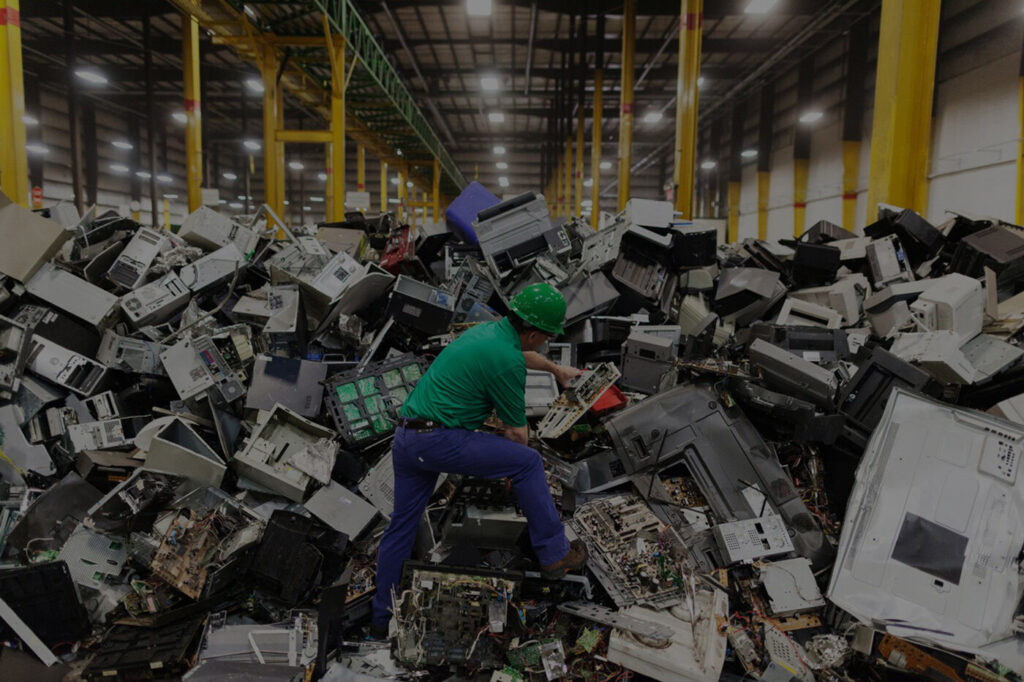
The UAE, with its rapidly expanding infrastructure and industrial activities, generates significant amounts of waste, including scrap metal. Recycling this material is a critical part of the country’s efforts to address waste management challenges and reduce environmental impact.
Environmental Benefits
-
Conservation of Resources: Recycling scrap metal reduces the need for raw material extraction, preserving finite natural resources. Metals like iron, copper, and aluminum, when recycled, help minimize the environmental damage caused by mining activities.
-
Energy Efficiency: The energy required to recycle metal is far lower than the energy needed to produce new metal from raw materials. For example, recycling aluminum saves approximately 90% of the energy that would otherwise be consumed in producing aluminum from bauxite.
-
Reduction of Landfill Waste: By recycling scrap metal, the amount of waste sent to landfills is reduced. Metal is non-biodegradable and can take up valuable space in landfills, contributing to environmental pollution. Recycling helps to address this issue by diverting metal waste from landfills.
-
Reduction of Greenhouse Gas Emissions: Recycling metals is less energy-intensive than producing them from scratch, thereby reducing greenhouse gas emissions. This is crucial for meeting the UAE’s climate goals and fulfilling its commitments to global climate action initiatives.
Economic Impact
- Job Creation: The scrap metal recycling industry in Abu Dhabi provides numerous job opportunities, from the collection of scrap metal to its processing and transportation. This contributes to employment in the region and supports the local economy.
- Revenue Generation: Recycled metal has significant commercial value. The sale of recycled metal, both domestically and internationally, generates revenue, which benefits local businesses and strengthens Abu Dhabi’s position in the global market for recycled materials.
- Support for Local Industries: The construction, manufacturing, and automotive sectors in Abu Dhabi rely on affordable, sustainable raw materials, many of which are recycled metals. The scrap metal recycling industry, therefore, supports the growth and stability of these industries.
The Scrap Metal Recycling Process
Recycling scrap metal involves several key stages that ensure the material is properly sorted, cleaned, and processed for reuse. The process is designed to maximize the value of the metal while minimizing its environmental impact.
1. Collection and Transportation
The first step in the recycling process is the collection of scrap metal. This can come from various sources, including construction sites, manufacturing plants, and even households. Once collected, scrap metal is transported to recycling facilities in Abu Dhabi for further processing.
2. Sorting
Once the metal arrives at the recycling plant, it is sorted into ferrous (iron-containing) and non-ferrous (such as copper, aluminum, and brass) categories. Sorting is vital because different metals require different recycling methods. Advanced technology, including magnets for ferrous metals and eddy current separators for non-ferrous metals, is used to improve efficiency during the sorting process.
3. Shredding and Cleaning
After sorting, the metal is shredded into smaller pieces to make it easier to process. The shredded metal is then cleaned to remove any contaminants such as oils, dirt, and paints. This is an important step, as impurities can interfere with the quality of the final recycled product.
4. Melting
The cleaned and sorted metal is then melted down in furnaces. This stage turns the metal into molten form, which is easier to mold and shape. The molten metal is poured into molds to form ingots or other shapes, ready for further use in manufacturing processes.
5. Reformation and Sale
Once the metal has been melted and formed, it is reformed into shapes like sheets, rods, or wires, depending on its intended use. The recycled metal is then sold to manufacturers, who use it to produce new products. These products can range from aluminum cans to car parts, electrical cables, and building materials.
Leading Scrap Metal Recycling Companies in Abu Dhabi
Several prominent companies in Abu Dhabi specialize in scrap metal recycling, contributing significantly to the city’s sustainability efforts. These companies offer services that range from scrap collection to processing, ensuring that valuable materials are recycled in an eco-friendly and economically viable manner.
1. Emirates Recycling LLC
Emirates Recycling is one of the leading players in the scrap metal recycling industry in Abu Dhabi. The company focuses on recycling both ferrous and non-ferrous metals, including aluminum, copper, and steel. With state-of-the-art facilities and a commitment to sustainability, Emirates Recycling plays a key role in the UAE’s green economy.
2. Al Ghazal Scrap Trading
Al Ghazal Scrap Trading is another key player in the industry, specializing in the collection and processing of various types of scrap metal, including steel, iron, copper, and aluminum. The company provides efficient and environmentally responsible services to clients across Abu Dhabi, ensuring that metal waste is recycled and reused in a way that benefits both the economy and the environment.
3. Khansaheb Scrap Recycling
With decades of experience, Khansaheb Scrap Recycling is a well-established name in the UAE’s recycling industry. The company is dedicated to the collection and recycling of scrap metal, including steel, copper, and aluminum. They use advanced technologies to ensure that the recycling process is as efficient and environmentally friendly as possible.
4. Al Tareeq Scrap Metal Trading
Al Tareeq Scrap Metal Trading offers a wide range of services, including the collection, sorting, and recycling of scrap metal. The company works closely with industrial clients, ensuring that metal waste is properly recycled and reused. Al Tareeq’s operations are designed to minimize environmental impact and maximize the value of recycled metal.
Challenges Faced by Scrap Metal Recycling Companies
Despite the growth of the scrap metal recycling industry in Abu Dhabi, companies face several challenges that must be addressed to maintain a sustainable, efficient recycling system.
- Market Price Fluctuations: The price of scrap metal can vary widely based on global market conditions. Recycling companies must adapt to these fluctuations to remain profitable.
- Regulatory Compliance: As the UAE enforces stricter environmental regulations, recycling companies must ensure that their operations comply with national and international standards. This can involve significant investments in technology and infrastructure.
- Contamination of Scrap Metal: Contaminants such as plastic, chemicals, and oils can complicate the recycling process. Companies must invest in advanced technologies to effectively clean and sort metal before it can be recycled.
- Increasing Competition: The scrap metal recycling industry in Abu Dhabi is becoming more competitive as demand for recycled materials grows. Companies must continuously innovate and improve their operations to stay ahead of competitors.
Conclusion
The scrap metal recycling industry in Abu Dhabi plays a critical role in the emirate’s efforts to achieve a sustainable, green economy. Recycling not only helps to conserve valuable resources and reduce waste, but it also generates economic opportunities and supports local industries. Companies in Abu Dhabi are making significant strides to improve recycling processes and promote environmental sustainability.
As the UAE continues to prioritize environmental responsibility and waste management, the scrap metal recycling industry is set to expand further, offering numerous opportunities for businesses, residents, and the government to work together in building a greener future. Through ongoing innovation and collaboration, Abu Dhabi is positioning itself as a leader in the global movement toward sustainable recycling and waste management.